Since the first merchant sold something worth buying on our sweet little Earth, someone else has been figuring out how to sell a cheaper version of it.
Skip to some 200,000 years later, and we've got toothbrushes that vibrate, refrigerators that can play music, microwaves that can be silenced, Chinese takeout containers that fold out into a plate, forks that also work as spoons, and, of course, copycat products of all those.
No wonder if you look at the numbers you might end up having a headache. An estimate puts product counterfeiting to about $467 billion trade and that was only in 2021. That's about 2.3% of everything the world imported in that year.
Even Amazon says it seized and destroyed more than 15 million counterfeit products in 2025 - which is weird for a company that scoops its sellers data to launch competing counterfeit products.
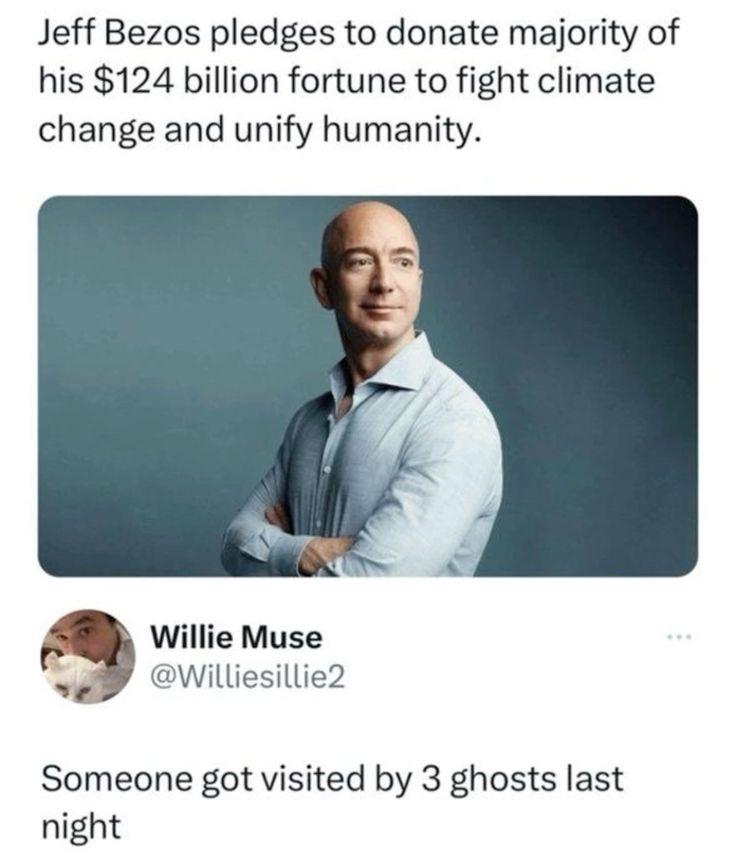
And that’s the point! You don't need to be Gucci for any of this to be relevant to you. All you need is a working website and a product that sells and you'll soon be rewarded with a tiny counterfeit industry of your very own - which you have no control over. That's just what keeps on happening to these ecommerce merchants:
" I checked my orders for today and noticed I had nearly none, checked the listing and someone else was selling on it, a counterfeit seller sold in my estimate 40 counterfeit products on my listing, just based on how many orders I lost."
The sad news is Amazon might have ended commingled listing but these fakes aren't going anywhere.
What you can control is how quickly you spot the difference between a harmless lookalike and a bootleg product, and how fast you act before it starts eating into your ROI, margins, ad performance, or worse, your customers' trust.
So, let's count your options.
But what counts as a fake
Fake" works a bit like "soda" - everyone uses the word, and everyone means something slightly different. So, before you fire off a takedown, it helps to know which kind you've caught.
- Counterfeit is the one stealing your name. It copies your trademark, meaning your brand name or logo. It's illegal almost everywhere.
- Replica is a counterfeit that's honest about being dishonest, meaning a product that looks and feels 99% like your product. No wonder sellers call it a "1:1".
- Dupe steals the look and skips the logo. You can think of it as the unbranded "inspired by" grill that looks suspiciously like yours in design. They can be legal though.
- Gray market means goods that are genuine products sold through shady places. Let’s say an unauthorized seller buys your stock cheaply in one market and resells it in another. That undercuts your pricing, and customers can end up with products that may fail local safety or regulatory standards or lack proper warranty coverage.
You'll also hear all four lumped together as bootleg products. That's fine and dandy at the dinner table but useless in a form that's threatening for your business. But what can be these forms, and how can they threaten your business?
Four ways copycat products can threaten your online business
Depending on what they're copying and how they're selling it, here's how counterfeit products can harm you:
1. Someone clones your store
Copying a theme, lifting your product photos and launching a lookalike site on a .net domain is just an afternoon's work. And many afternoons have been spent creating millions of them. One security research firm found that a single criminal network which ran more than 75,000 domains hosting fraudulent webshops and processed over a million orders worth a combined $50 million over three years. Even the BBC Watchdog report reported how easy it is to make a fake store and ship cheap copies from China.
All you need are AI images, an ecommerce platform, some bargain-basement shipping, and a free afternoon.
2. They hijack your ads (and your customers preferences)
Your best product video is also a counterfeiter's best product video. It takes a few minutes to download your creative, run it as a Facebook or Instagram ad and point it at a store selling the fake at half price. Now you're paying to reach the same shoppers as a copy of yourself.
Even the scale that this is happening at is hard to ignore. Reuters reported in late 2025 that Meta internally projected about 10% of its 2024 revenue, roughly $16 billion, would come from ads for scams and banned goods, including fraudulent e-commerce schemes. Meta called that figure "a rough and overly-inclusive estimate".
3. They undercut your pricing on channels you don't watch
Social commerce moves fast but so do the copies. A lookalike selling your product for half the price can leave customers wondering whether your real price is simply a markup, or whether they've stumbled onto a deal that's too good to be true.
And sometimes, that's exactly the point. The seller isn't trying to compete with you but they're only trying to collect your customer's money and disappear before anyone notices.
Even TikTok Shop is not safe from these scammers. Clone sites have reproduced TikTok Shop's homepage design so meticulously that, at a glance, you could mistake the fake for the real thing.
4. The fake comes back to you
Now, nobody warns you about this one but it could ruin the reputation of your online store. A shopper keeps your real product and returns a counterfeit for a refund, which retailers call a decoy return.
Or a customer buys a copycat product from some stranger on the internet, it dies within a week, and suddenly you're getting a support ticket for a product you've never sold. This is exactly what happened with this redditor:
“I’m a multi-branded retailer who works directly with the brands themselves. A first time customer is requesting a return on an item because they’re claiming I sold them a fake item (which cannot be true since I received it directly from the incumbent company).”
What would you do in this situation?
Either way, you're paying your staff to investigate someone else's mess and potentially refunding a customer for a product that has never enjoyed the pleasure of passing through your warehouse to avoid a chargeback.
What to do when someone copies your product
This time, stop, drop, and roll won't save you. You'll need to follow these instead:
- Trademark where you manufacture as well as where you sell: If a supplier or squatter beats you to it, they can make your life very awkward.
- Protect the look along with the name: A design patent covers a product's distinctive shape. It's often the only legal tool that works against a dupe.
- Record your trademark with U.S. Customs: CBP recordation tells border officers what your genuine product looks like so they can seize fakes before they reach a warehouse.
- Keep your receipts: Dated design files, supplier invoices and launch records are what win takedowns when a copycat claims they had the idea first.
- Make the real thing easy to verify: Serial numbers and product registration give customers a way to check they've bought from you, and they give your team a way to spot fakes when one turns up in a return.
And here's a bonus from the internet: "Buy the counterfeits, make a video about how yours is different and how to tell the difference (maybe their packaging is more dull, has a different colour, etc), how yours is specifically from this store only, go viral again, repeat."
How to report counterfeit goods to different platforms
Every major platform has a reporting path, and all of them want a registered trademark first. If you do only one thing after reading this, file yours.
Platform | Where to report | What you need | Worth knowing |
|---|---|---|---|
Amazon | Brand Registry, then Report a Violation | A registered trademark, or a pending one through Amazon's IP Accelerator | Unlocks Project Zero (remove confirmed fakes yourself) and Transparency (a unique code on every unit) |
Shopify | Trademark and trade dress report, or a DMCA copyright notice for stolen photos and copy | Proof of registration and links to the infringing content | The accused store gets two days to respond before content comes down |
eBay | VeRO Program | Proof you own the rights | Covers counterfeits and unauthorized use of your images or text |
Walmart | Brand Portal | A fully registered USPTO trademark | Brand protection agencies can't apply on your behalf |
TikTok Shop | IP Protection Center (IPPC) | Proof of IP ownership | TikTok says it employs 1,400 IP specialists across its markets |
Lastly, a warranty doubles as proof of authenticity
The conversation around a customer asking you to fix a counterfeit product would be much shorter when every genuine product you sell comes with a protection plan tied to a real order from your store.
With SureBright, coverage starts at your checkout, so "did you buy this from us?" has an answer on file. Shoppers get a good reason to buy the real thing from you instead of gambling on a stranger's listing, and your team gets a cleaner way to separate genuine claims from counterfeit ones. That's one door a counterfeiter can't walk through, however good the knockoff looks.
Talk to SureBright about adding protection plans to your store.