
Stuck in a warranty loop? What auto parts warranties leave out for online sellers
Overview of Contents
Have you seen Groundhog Day?
In that movie, Bill Murray wakes up to the same song on the same morning until he finally figures out what he’s doing wrong. Well, online auto parts sellers get their own version of this. A part fails, the customer emails, you dig up the order, argue over whether it was installed right, and ship a swap that leaves them paying a mechanic all over again. Then a few months later the alarm clock goes off and the same email lands in your inbox.
A part ships, it fails, it comes back, a replacement ships, and somewhere around the third lap you start to wonder whether the alarm clock is ever going to change tunes.
Customers are stuck in the loop too, especially with cheap parts sold on a “lifetime” promise that only ever covers the part. One car owner described that kind of warranty as having to “keep taking the bad part in over and over and over,” which is about as close to the movie as the parts industry gets.

So what’s the thing that keeps resetting the clock? Not the warranty itself, but what most auto parts warranties leave out.
If you’re new to it, a car warranty covers the whole vehicle. An auto parts warranty, which plenty of shoppers call a car parts warranty, covers one part you sell, like an alternator or a dash cam. It promises the part will work for a set number of months or miles. If a factory defect shows up in that window, the customer gets a repair or a replacement.
But who actually provides the coverage afterwards – the manufacturer or your store? And what happens when the warranty leaves the customer with another repair bill?
There's another wrinkle. When KYB examined warranty returns with one of its large retail partners, it found that 53% were either brand-new parts that had never been installed or parts made by a different manufacturer.
So between repeat failures, questionable returns, and customers paying to get the same part installed twice, there's plenty that can go wrong.
Let's look at what an auto parts warranty actually covers, where the gaps are, and how your store can keep customers from getting stuck in a warranty version of Groundhog Day.
What an auto parts warranty does not cover
I bet you have some simple idea of the auto parts warranty exclusions, but here's a run-down just for confirmation -
Exclusion | What it means for your customer |
|---|---|
Normal wear and tear | Brake pads are built to wear out, so “it wore out” isn’t a defect |
Improper installation | One wrong torque spec from a weekend mechanic and the claim is gone |
Labor | The part is free, but the mechanic still sends a bill |
Damage from another part | A new part fails and takes its neighbors down with it, and only the new part gets replaced |
Even when labor is covered, there are limits. For one remanufactured transmission sold through NAPA, labor is reimbursed at $50 per hour, up to a maximum of $300 per claim.
And then there’s “lifetime,” the most hardworking word in auto parts. On one forum, an owner said two different store managers told him a limited lifetime warranty meant the warranty was limited to the functional lifetime of the alternator. That’s the part’s lifetime, not the driver’s.
But out of all these exclusions, what really ends up as a bill?
Let's talk about the bills a failed part comes with
When a part fails, your customer gets three bills, and the warranty usually pays only the smallest.
- The parts - This is the bill the warranty usually handles, so it’s the one everybody remembers.
- The labor - For instance a $20 sensor could take $200 of labor, where a repeat failure means the warranty covers the sensor and the $200 is on the owner again. Shops experience this as much as drivers.
- The downtime - Mail-in warranties assume the car can wait patiently on jack stands. Real life disagrees. One reviewer ended up out a few hundred dollars for a car rental after their part went off to a third-party vendor for repair and came back weeks later.
When all three bills land on the same customer, guess who gets the one-star review? Hint: it isn’t the manufacturer.
Manufacturer or you: who’s actually on the hook when a part fails?
This question sounds simple until a customer asks it on a support call.
Here's the breakdown - the manufacturer’s warranty comes with the part. Many retailers then stack their own warranty on top, like Advance Auto Parts’ 90-day warranty or BuyAutoParts.com’s one year with unlimited mileage. Some stores add a third layer at checkout, an optional protection plan the customer buys separately.
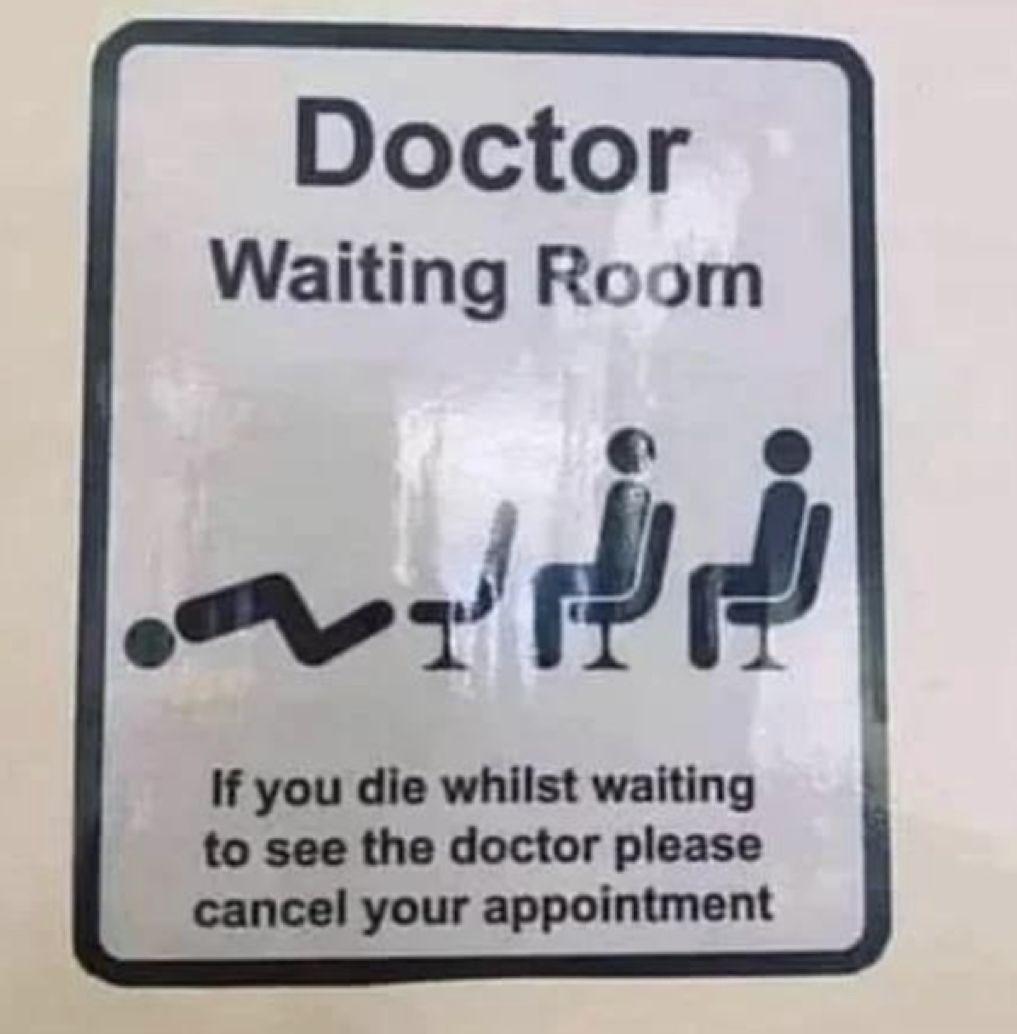
The problem is that the payment and the communication around it happen in two different places. O’Reilly’s remanufactured engine warranty states that labor reimbursement is paid only by the manufacturer, not O’Reilly. Your customer still emails the name on the order confirmation, which is you, so you end up running a claim you can’t approve, with money you don’t control. You’re basically the receptionist at a doctor’s office where the doctor never shows up, but somehow you’re still expected to explain the diagnosis.
There’s also a legal detail plenty of online sellers miss. Under the FTC’s Pre-Sale Availability Rule, retailers have to make warranties available at the time of purchase for warranted consumer products costing more than $15, however the products are sold. And here's dessert to help you swallow that - the FTC has also warned Internet sellers, believing non-compliance is widespread in their industry.
So that shiny “Lifetime Warranty!” badge on your product page can turn into a compliance headache if the actual terms are nowhere to be found.
Also, most “defective” parts in your returns pile aren’t defective
Auto parts have the highest return rate in retail. The Auto Care Association’s 2023 Factbook puts aftermarket returns at 22.6 percent, ahead of apparel at 12.2 percent. Yes, people return car parts more often than jeans.
Brick-and-mortar stores fight this with a counter clerk who opens the box. Online sellers get a cardboard mystery a week later. Here’s how to do the counter’s job from your warehouse:
- Ask for photos before you issue the RMA
- Ask who installed it and when
- Mark what you ship; serial stickers or anti-counterfeit labels make a box swap obvious the moment it comes back.
- Send unclear claims to whoever actually decides them
So, is an auto parts warranty worth offering in your store?
The answer is usually yes.
But not everything on your site needs extra coverage. Nobody’s losing sleep over a $15 wiper blade. To find the product lines where protection earns its spot at checkout, ask four questions:
- Who confirms the part actually failed? If the answer is “my support team, from a blurry photo,” you’re diagnosing wrong.
- Who pays the labor? If it’s the customer, every claim ends with them paying a mechanic twice.
- How long is the customer without their car? If your process involves shipping parts back and forth, the downtime becomes your problem to explain.
- What happens the day after the manufacturer’s coverage ends?
If you answered “me” or “nobody” for two or more tasks, those responsibilities need a closer look. To tell you simply, the best fixes are pricey, labor-heavy parts like alternators and starters, plus electronics like car audio and dash cams, where a failure means pulling trim panels apart.
Get the timing right in your messaging, too. An extended warranty picks up where the manufacturer’s coverage ends, so the two don’t overlap.
What to do - While updating product pages, address: “Will this aftermarket part void my car’s warranty?” for the buyer
The Magnuson-Moss Warranty Act protects consumers from having a warranty voided or a claim denied solely because they used an aftermarket part. However, automakers can deny a claim if that part caused the damage. A clear, reassuring explanation near the add-to-cart button can help put buyers at ease. Just have your legal team review the final wording before it goes live.
How to finally get out of the loop
The loop ends when a claim gets checked, fixed and paid properly in the first instance, so the customer isn’t back in your inbox three months later.
That’s what SureBright’s auto parts warranties are built for. Repairs are covered including labor, not just the part, and if the product can’t be repaired, the customer gets a replacement or reimbursement. Claims take about two minutes to file online, with no receipt or product registration required, so your support team can stop playing mechanic over email.
Coverage spans everything from dash cams and GPS units to alternators, car audio and headlights, and it plugs into Shopify, WooCommerce, BigCommerce and other major platforms.
Let's calculate your earnings.

Author
Khizar Mohd
M Khizar is a writer who enjoys making complicated things feel simple. He writes about warranties, e-commerce, and the small details people usually overlook until they matter. His work focuses on clarity and helping readers make smarter decisions without overthinking it. Outside of work, he enjoys reading, writing personal blogs, and binge eating with friends.