
The sale is over, the work isn’t: how to prepare your store for the post-BFCM workload

Overview of Contents
“We do about $3 million annually and my team of 8 agents is already showing serious burnout and we haven’t even hit Black Friday yet. Average response time has gone from 2 hours to 6 hours. Quality scores are dropping…The problem is we’re getting 300 to 400 tickets daily right now and during BFCM that’s easily 800 plus.”
This is one retailer’s situation, with a team already on the ropes. Now imagine your inbox once the holiday sale ends and customers come back with questions almost 50% of it are WISMO.
After all, the shopping experience carries on long after the sale, in an entirely different form.
A customer who happily grabbed a discounted air fryer in November might be back in December because it stopped working. And a gift that looked perfect under the Christmas tree might be itching to return back to the warehouse.
The numbers show that this is not a small afterthought. The National Retail Federation and Happy Returns expected 19.3% of online sales to be returned last year. Retailers surveyed also expected 17% of holiday sales to come back.
So in December while your marketing calendar would have BFCM neatly crossed off, your operations calendar could be heading into its busiest chapter. Without a plan for what happens after checkout, the revenue you celebrated at the end of November can become an expensive December surprise.
That’s why we’ve put together this guide to help you get on top of the post-BFCM workload before it overwhelms your team or eats into your already thin margin.
The seasonal crew leaves right as the inbox fills
There is a little tradition in holiday retail. The moment the last big batch of orders leaves the warehouse, seasonal staff start packing their bags too. Unfortunately, post-purchase customer support tickets have little respect for such traditions.
One retailer discovered this when last year’s holiday sale ended but the tickets did not:
“Last holiday season taught us a painful lesson. Traffic was up. Orders were coming in. Marketing was doing its job. But inventory wasn’t. Some products went out of stock way earlier than expected. Others were still sitting in the warehouse after the season ended. Returns piled up in January. Customer support tickets? Non-stop.”
This year, retailers are preparing to put more hands on deck for holiday demand, with the NRF expecting between 325,000 and 375,000 seasonal hires. But if you’re hiring people only to get orders out before Christmas, you’re preparing for just half the job. Customers who come back to exchange items, return gifts or report problems with their orders won’t disappear when seasonal staff contracts end.
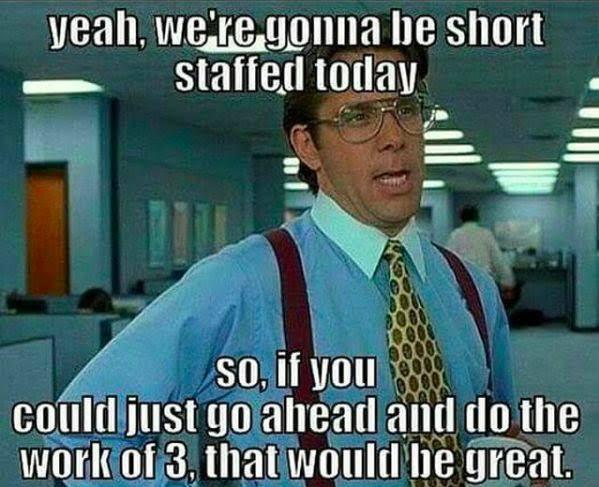
So a better approach is to stagger seasonal staff exits around the returns calendar. Keep the people who know your products and order systems until the post-holiday queue starts shrinking.
For instance, if a customer returns a gift in January and finance hasn’t processed the refund, your remaining support agent shouldn’t have to chase three departments just to give them an update. Make sure someone still owns that case, even after most of the temporary team has left.
The sale ends on a fixed date, but the demand it creates follows a calendar of its own.
The three waves of work that follow BFCM
BFCM comes with its own kind of buy-one-get-three deal for merchants. One order goes out, but the post-purchase work can come back in three waves. Talk about poetic justice, just not the kind your margins need.
December marks the beginning of your first round of problems, and it comes in the form of delivery issues. With Cyber Monday falling on November 30, Christmas shipping deadlines begin closing within weeks. For example, FedEx Ground Economy’s deadline is December 15, and USPS Ground Advantage’s is December 17.
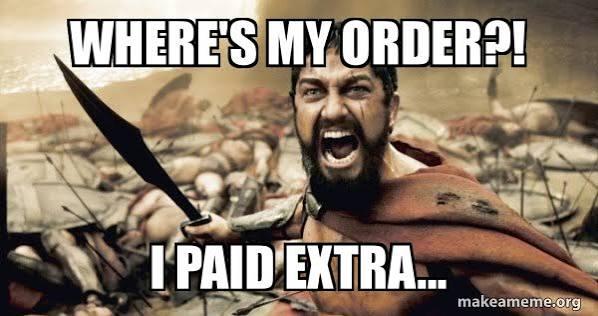
But customers will keep asking where their order is until it arrives, making WISMO (Where Is My Order?) queries a leading driver of holiday support tickets. Set realistic delivery windows instead of vague “3 to 5 days” estimates, and flag possible carrier delays at checkout only.
The second wave hits after the first Christmas snow starts to settle. From December 26, gift recipients begin returning items or looking for exchanges, which means your warehouse needs to be ready for the incoming parcels. So plan receiving capacity and inspection turnaround with your 3PL before then. At the same time, give agents access to live exchange stock so they can offer available alternatives without keeping customers waiting for a reply.
Swapping the item doesn’t end the story, because the replacement still has to survive the same carriers as the first parcel. If it arrives dented or doesn’t arrive at all, you’re back to square one with a customer who has now waited twice. Shipping insurance turns that scenario into an eligible claim instead of a second round of tickets.

The third wave can continue long after the parcels stop arriving. Cardholders generally have 120 days to dispute a charge, counted from the transaction or expected delivery date. For a November 27 purchase, that can stretch to March 27, 2027. By then, a faulty product may need a coverage review and a claims process, while a chargeback requires tracking records and proof of delivery. Make sure the relevant teams can retrieve these within your response window, which may be just 20 to 45 days. Clear policies and fast refunds can also head off many chargebacks before they start.
All three waves land in the same inbox, but not always from the person who placed the order.
Person opening the gift may need your help too
A gift has two customers, but most online stores know and support only one. The buyer gets the order details; the recipient gets the box and, sometimes, a support headache.
One gift recipient described the frustration in detail:
“First time returning an item with a gift receipt and it’s telling me the refund amount is $0. Am I missing something? ... I received the gift a few days ago ... I elected to get a Amazon credit, which was the only option ... I went through the return process once and before the last step, I got an error telling me to try again later.”
Gift transactions involve two people who generally don’t share a customer account or email address, yet most support routes assume they do. The usual fallback is “ask whoever bought it,” which means going back to a relative just to sort out a gift.
To avoid that, test your support journey as the recipient before BFCM. Can they get help without logging into the buyer’s account? If not, provide alternatives such as a gift receipt link or QR code that lets recipients contact support or start a return on their own.
Next, place a test gift order to confirm that those options work. See whether the recipient can access support and receive updates without seeing the buyer’s private details.
A resolved ticket may be good news for your support team, but it’s a fresh start for your stockroom.
Every day a return sits costs you resale value
A returned item isn’t recovered inventory until someone can buy it again. Every day it sits in a warehouse eats into its resale value and your chance of recovering its cost. By the time January clearance begins, that delay can show up directly in your margin.
One retailer explained how even light use can reduce a product’s resale value:
“if a return is new we repackage and it goes back to Amazon as new, if it’s been used and is like new we repackage but sell on eBay for 25% off our new price, this usually still gives us a small profit. Products that can’t be sold like new we either destroy or donate depending upon the product.”
This retailer’s experience shows why you should decide early where each type of return should go.
So set inspection and resale routes in advance, especially for products with a short selling window. Prioritize them by the value lost while stock sits, not just by arrival date or original price. A holiday gift set returned on December 27 may lose its buyers sooner than a toaster, even if the toaster costs more.

But even a clear process can stall when the warehouse can’t keep up. One operator addressed the bottleneck by introducing robots, increasing returns putaway from 124 to 285 units per hour. Obviously, that doesn’t fit every retailer’s budget, so consider what would speed up your own operations without costing more than the delay itself.
Take the “it stopped working” tickets off your list
Think about a customer who bought a blender during your holiday sale and finds it has stopped working in February. The fault may lie with the manufacturer, but your store will share the blame, sometimes more than it deserves. After all, the customer bought it trusting you.
That trust doesn’t come with a neat end date. A purchase can be months old and still bring your store back into the conversation. When it does, how you handle the problem counts for as much as the original sale.
SureBright helps you protect that relationship without adding claims work to your team’s plate. When a customer files a claim, SureBright handles the repair or replacement, while you continue earning revenue on every plan sold. Sennheiser, for example, achieved attach rates of 28% to 31% with SureBright while reducing category returns by 26% year over year.
Before the next season starts, use SureBright’s warranty ROI calculator to see what protection plans could add to your bottom line.

Author
Pushpender Singh
Pushpender enjoys exploring the stories behind everyday decisions. He writes about warranties, ecommerce, and the psychology of buying. He draws on internet research, lively conversations, and a curiosity for the details most people overlook. With a background in English Literature, he believes good writing isn't measured by how complex it sounds, but by how effortlessly it helps someone understand a complex idea. Outside of work, you'll usually find him reading fiction and history, striking up conversations with people from different walks of life, or jotting down ideas inspired by both.